






Expense splitting app development company in short
Expense splitting app: an app of the kind made familiar by Splitwise, built by Organizein on our own code and design and tailored to your brand. We are not affiliated with those companies; the names only describe the type of app.
What is expense splitting app?

Expense splitting app: an app of the kind made familiar by Splitwise, built by Organizein on our own code and design and tailored to your brand. We are not affiliated with those companies; the names only describe the type of app.
Who it is for
Licensed financial businesses and their partners. Licences and regulatory approval remain the client's responsibility.
How it is delivered
Built and tailored by Organizein, on the web and on mobile, hosted in your cloud or ours.
Scope
You choose the modules. The final list is agreed with you before work starts.
What you get with expense splitting app development
Scope is agreed in writing before work starts. These are the usual parts.
Onboarding
identity checks and KYC
Accounts
balances, transfers and history
Security
PIN, biometrics and device binding
Notifications
alerts and statements
Compliance
audit logs and reports
Risk console
limits, reviews and fraud rules
Plans and pricing for expense splitting app development
The price of outsourcing expense splitting app development depends on the scope, the skills involved and how long the work runs. Projects with clear requirements get a fixed quote. Continuing work is billed monthly, either as a plan with listed deliverables or per dedicated person. Before any work starts you receive a written scope and quote, so you can compare it line by line with other offers.
Starter
A first project or a pilot
- Onboarding
- Accounts
- Security
Priced after a short scoping call
Get a quoteGrowth
A monthly plan with listed deliverables
- Onboarding
- Accounts
- Security
- Notifications
- Compliance
- Risk console
Priced after a short scoping call
Get a quoteScale
A dedicated team on your roadmap
- Onboarding
- Accounts
- Security
- Notifications
- Compliance
- Risk console
- A project lead
- Custom reporting
Priced after a short scoping call
Get a quoteTools and technology for expense splitting app development
We work with the tools you already have and add what the job needs.
The numbers reported for expense splitting app development.
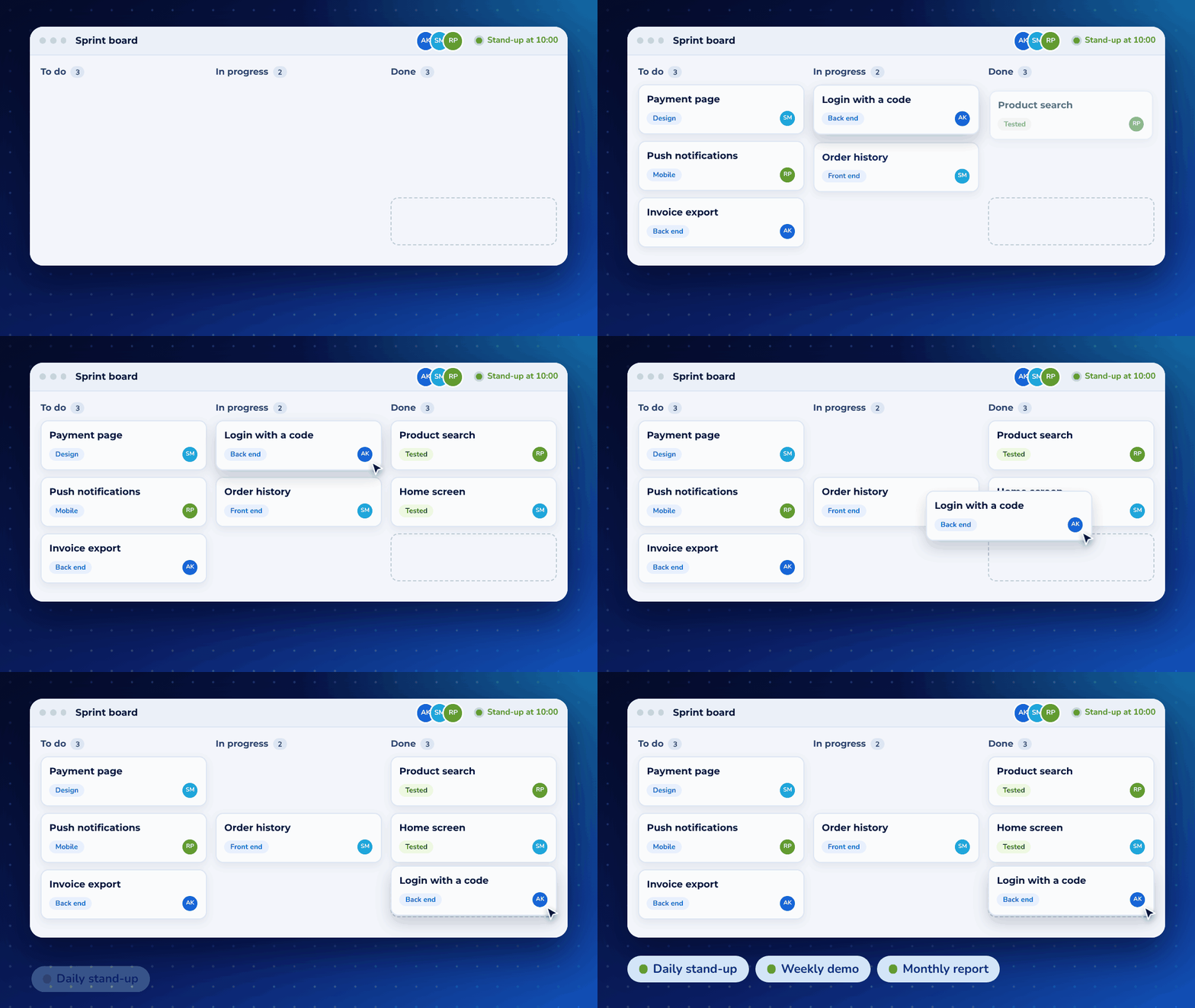
How expense splitting app development runs, step by step
How expense splitting app development runs, from the first step to the regular review.
Each step is explained on our Products page. Engagement models, the first 30 days and contracts are covered in the IT outsourcing guide.
Why outsource expense splitting app development to Organizein
Spreadsheets record work.A system runs it.
ScopeWhat is included
01Onboarding02Accounts03Security04NotificationsResultsWhat we measure
01User adoption02Processing time03Data accuracy04Report timeIn-house hire
Freelancers
Organizein team
Companies we have worked with
The Marble Guys Ltd.
The Marble Guys Ltd., based in the Cayman Islands have been working in the building and art space on three continents for over 35 years!
Verify Treatment
VerifyTreatment is the leading provider of electronic verification of insurance benefits across the USA. It has access to 500+ insurance company databases and provides
VerifyTreatment
Phil Cooper is an expert with over 40 years of experience in the Pet Industry. He was a part-owner of an 80-year-old Pet distribution company.
See the work in motion
A short animation of the kind of result this work produces, using sample data.
A guide to expense splitting app development you can keep


How we manage the call for Expense splitting app
The first call for Expense splitting app is a working session of about 40 minutes. You leave with notes, a written scope, a timeline, and a price. Work starts after you accept that scope.
Expense splitting app: an app of the kind made familiar by Splitwise, built by Organizein on our own code and design and tailored to your brand.
This page, /products/clones/expense-splitting-app/, is the brief we read before we speak. The call is where we turn it into a next step you can accept or change. It sits with our Products work. You can start from the form on this page, from the quote page, or by phone on +1 646 679-7250. Say what you need in a few lines. Mention the deadline if you have one, and say if you want an NDA before the conversation.
Before anyone joins the call
A producer reads what you sent and replies the same business day with two or three times in your timezone, the names of the people who will be on our side, and a short list of what to have open. For Expense splitting app, that list is practical: the current way Onboarding happens, an example of a result you are happy with, and the names of the people who use it. If you asked for an NDA, it arrives before the call, as a document you can sign and return. We read your site, your public material, and the notes on this page so the call starts from your situation. If you already use React, Flutter, and Node.js, bring that up. The work can stay in your tools when they fit the job.
The right people on your side are the person who can describe the work and the person who can approve a scope. They are often the same person. A large committee makes the 40 minutes thinner, so we ask for the one or two people who will live with the decision. On our side you get the producer, who owns the scope and the price, and a Expense splitting app specialist, who will actually do the work if you go ahead. You are talking to the people who would be accountable, and the specialist is in the room so the scope is something we can deliver.
The agenda, in order
The call runs on a clock. We keep a written agenda, and we tell you if we are leaving an item for the follow-up note. The shape is the same every time, and the contents come from your brief.
- The first five minutes. We confirm who is deciding, what a good result looks like, and the date you care about. For Expense splitting app, a good result is something we can point at, such as Onboarding working in the way you describe.
- The next fifteen minutes. We walk through what you have today. We ask how Onboarding is done now, where it breaks, and who feels that break. Then we do the same for Accounts. You talk. We ask short questions and write the answers down.
- The next twelve minutes. We turn that into the work. We name what is included, starting with Security, and we name what is outside this phase. Constraints belong here: access, brand rules, languages, data you can and cannot share, and any date that cannot move.
- The last eight minutes. We read the recap back to you. You hear the scope in plain language, the timeline as weeks, and what the written price will cover. We agree the date you will have that document, and the date we will speak again if you want to proceed.
What you leave with
Within one business day you receive a note of the call and a quote. The note is written in sentences, and it records what you said, what we proposed, and what is still open. The quote is a document you can compare with anyone else. It has a line for each part of the work, a timeline, the name of the person who will lead it, and the price. For Expense splitting app, the lines follow the work we discussed:
- Onboarding
- Accounts
- Security
- Notifications
You accept the scope by replying in writing. A verbal yes on the call is a direction, and the written reply is the start. If you want a line removed, added, or split into a later phase, we change the document and the price before any work begins. An NDA stays in force for the life of the conversation, whether you hire us or you do not.
How the call works after the work has started
After you accept the scope, Expense splitting app is run from a weekly 30-minute call. You know the agenda a day ahead. We bring the work, the open questions, and any place the scope needs a decision. The notes land the same day, so the agreement is on the page and the work follows it. One person on our side owns the account. You will know their name from the quote, and they are the person who answers. Extra calls happen when a decision is stuck or a risk has appeared. We set them for a reason, with an agenda, and we close them with a note.
A change to the scope is handled in writing. You can ask for it on the weekly call. We describe the change, the effect on the date, and the effect on the price, and we wait for your written yes before we do that extra work. Small clarifications that stay inside an agreed line are done and mentioned in the notes. The weekly call is also where you can stop a line, pause a phase, or move a date. The plan on the pricing page is a starting point. Starter is a first project, Growth is a month of named deliverables, and Scale is a dedicated team. The call is where we pick the one that matches the work, and the quote is where the price is fixed.
The full Expense splitting app process after the call
After you accept the quote, Expense splitting app moves one line at a time. Each line has an owner, a week on the timeline, and a result you can review on the weekly call.
The producer keeps the plan. The specialist does the work. You get one place to comment and one call a week to decide. A phase closes when its lines are met and the notes say so.
Onboarding
Onboarding is included because it is part of making Expense splitting app useful, and it is paired with Accounts so the work arrives in an order you can review. We agree the check for this line before we start it. The check is something you can look at, such as a report, a screen, a document, or a working step in your process. Where it helps, this is done with React.
Accounts
We treat Accounts as finished only when it matches the sentence in the scope. If the real work turns out wider, we stop and write the extra part as a change, with a date and a price. You keep the original line either way. Where it helps, this is done with Flutter.
Security
The people who will use Security are named on the call, and we write the guide for them in their words. Expense splitting app fails when the work is technically done and the team does not use it, so this line includes the handover, the questions, and one revision after they have tried it. Where it helps, this is done with Node.js.
Notifications
On a Expense splitting app project, Notifications is its own line in the scope, with an owner and a definition of done. On the first call we ask what you have today and what finished looks like. After you accept, this line is planned into the weeks of the timeline, and you see it on the weekly call until it is done. Where it helps, this is done with Python.
Compliance
Compliance is included because it is part of making Expense splitting app useful, and it is paired with Risk console so the work arrives in an order you can review. We agree the check for this line before we start it. The check is something you can look at, such as a report, a screen, a document, or a working step in your process. Where it helps, this is done with Laravel.
Risk console
We treat Risk console as finished only when it matches the sentence in the scope. If the real work turns out wider, we stop and write the extra part as a change, with a date and a price. You keep the original line either way. Where it helps, this is done with PostgreSQL.
The first 30 days of Expense splitting app are for setting the rhythm. Week one is access, the working files, and the first line of the scope. The later weeks follow the timeline in the quote. At day 30 you have a written view of what is done, what is next, and whether the plan still matches the price. If it does not, we say so on that call and put the choice in the notes.
Where the Expense splitting app work is done
The Expense splitting app team is employed in Bengaluru, India. The call is booked in your timezone, and the work between calls happens in India Standard Time, which is UTC+5:30 all year.
A 9:00am call in New York is 7:30pm in Bengaluru, and we keep that evening open for clients in the United States and Canada. A 9:00am call in London or Dublin is 2:30pm in Bengaluru. A 10:00am call in Dubai or Riyadh is 12:30pm. A 9:00am call in Johannesburg or Berlin is early afternoon in Bengaluru. A 4:00pm call in Sydney is mid-morning in Bengaluru, and a late morning call in Singapore is early morning for the team. We name the hour in your time when we send the invitation.
You can read the local pages for the United States, the United Kingdom, the UAE, India, Australia, Canada, Germany, Singapore, South Africa, Saudi Arabia, the Netherlands, and Ireland. The Expense splitting app scope, the language of the work, and where the data lives are agreed on the call. Hosting can sit in your cloud account or in an account we run for you, and that choice is a line in the quote.
English is the language of the call and the notes. If Expense splitting app has to ship in another language, we name the languages in the scope and staff them on purpose. Documents, access, and the weekly notes stay in a shared place you control. When you want the data to stay in a particular country, say so before the call and we will put that constraint on the first page of the scope.
Questions about expense splitting app development
How long is the first call for Expense splitting app?
About 40 minutes. The first call for Expense splitting app covers the result you want, the current setup, the scope, and the price. You receive the notes and the written quote within one business day.
What should I prepare for a Expense splitting app call?
Have the current version of Onboarding open, plus one example of a good outcome. If the work already lives in React, we can look at it together. The person who can approve a scope should be on the call. Ask for an NDA first if you want one signed before you share details.
What do I receive after a Expense splitting app call?
A written note of what was agreed, a scope with a line for Onboarding and Accounts, a timeline, the name of the person who will lead the work, and a price. Work starts after you accept that document.
How are later Expense splitting app calls managed?
One 30-minute call each week, with the agenda sent the day before and the notes sent the same day. Changes to the scope are written down with the effect on the date and the price, and they wait for your yes.
What is expense splitting app?
Expense splitting app: an app of the kind made familiar by Splitwise, built by Organizein on our own code and design and tailored to your brand. We are not affiliated with those companies; the names only describe the type of app.
How long does a expense splitting app take to build?
It depends on the features, the platforms and the integrations. After a short call you receive a written scope, a timeline and a price.
Will it work on mobile?
Yes. Systems are built for the web and for phones.
Where is it hosted?
In your cloud account or ours. We agree the location with you, taking your data rules into account.
Can you move our existing data?
Yes. Data is cleaned, migrated and checked with you before go-live.
Who owns the software?
You do. The contract assigns the system built for you to you.
How do I get a quote?
Send the form on this page or call +1 646 679-7250. You get a written scope, a timeline and a price before any work begins.
More questions are answered on our Products page.
Related services and reading
Guides
How Much Should a Website Cost?
Are you thinking of redesigning your already existing website or simply wish to launch a new one?
What Is CRM
Best Interaction services with Customers.
What Is Digital Marketing
Build Brand Recognition as an Industry Leader and Enhance Profitability
Further reading
Independent sources on the standards and platforms behind this work.


